

Why rural communities once put a frog in milk to keep it from spoiling
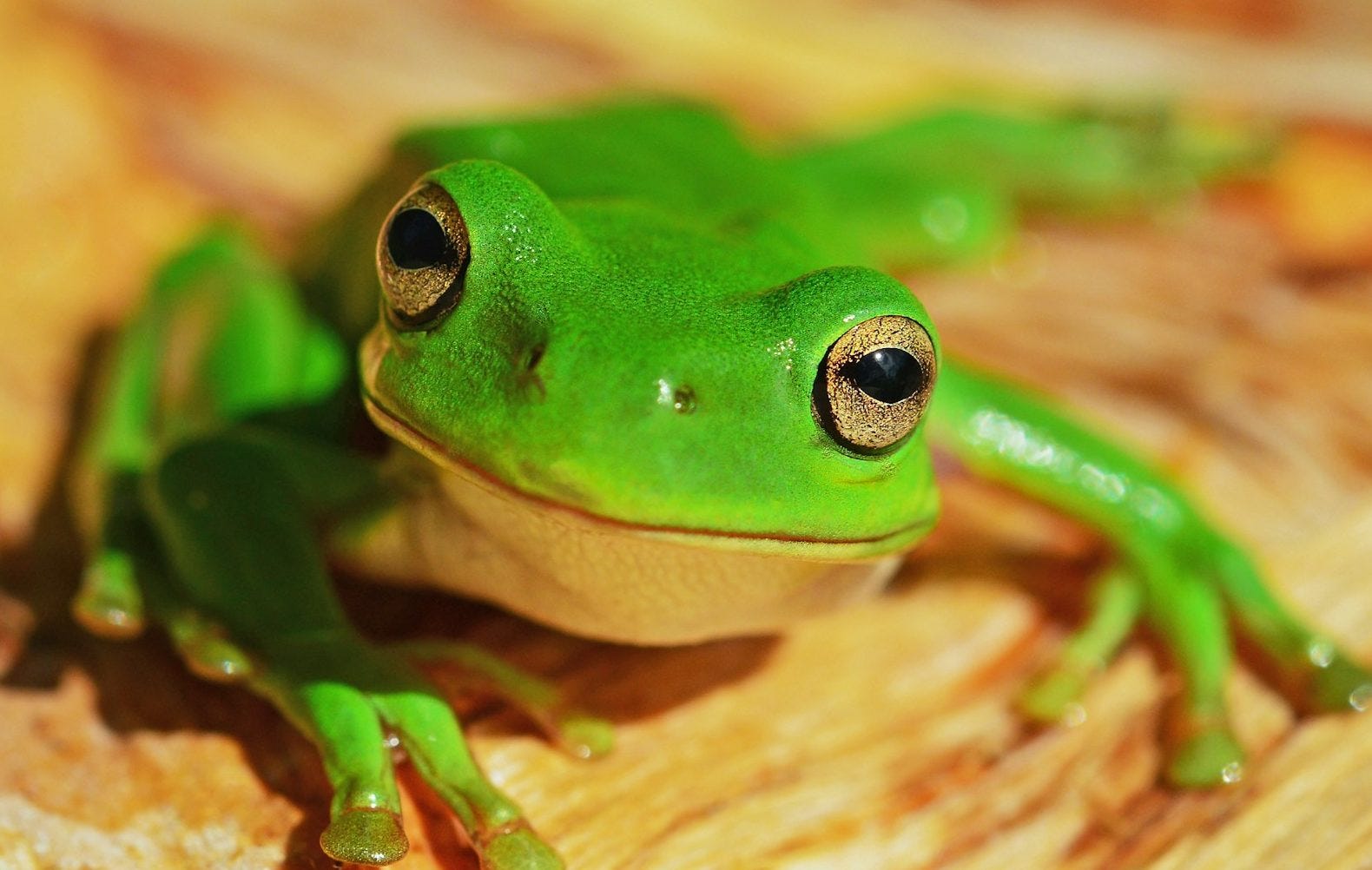
People in rural communities in Russia used to place a frog in their milk jar to keep it from spoiling. Without refrigeration, this was an alternative way to keep milk fresh. This practice might sound wild by today’s food safety standards (and I would not personally recommend trying it), but natural compounds from the frog’s skin helped kill off certain bacteria.
From Got Weird on Instagram: “Long before refrigerators made life easier, rural communities in Russia and Finland faced a tricky problem: how to keep milk from spoiling. Their solution? Drop a live brown frog (Rana temporaria) into the milk jar. This practice was common in the 19th and early 20th centuries and was a traditional, empirical method of food preservation passed down through generations. People observed that milk stayed fresh longer when a frog was present, but they didn’t understand the underlying scientific reason.
Modern research, notably a 2012-2013 study led by Dr. Albert Lebedev at Moscow State University, investigated this folklore. Scientists discovered that the brown frog’s skin secretes potent antimicrobial peptides (natural antibiotic compounds) that inhibit the growth of bacteria and fungi that cause milk to sour. The study confirmed that these natural compounds, such as Brevinin 1Tb, were effective at fighting harmful bacteria like Staphylococcus and Salmonella, essentially acting as nature’s preservative. This unusual tradition, which seems bizarre by today’s standards, was an ingenious, albeit unwitting, application of natural biochemistry that helped people preserve a vital food source in the absence of modern technology.”
 | A guest post by
|