

This tool lets communities auction shared resources and split the proceeds
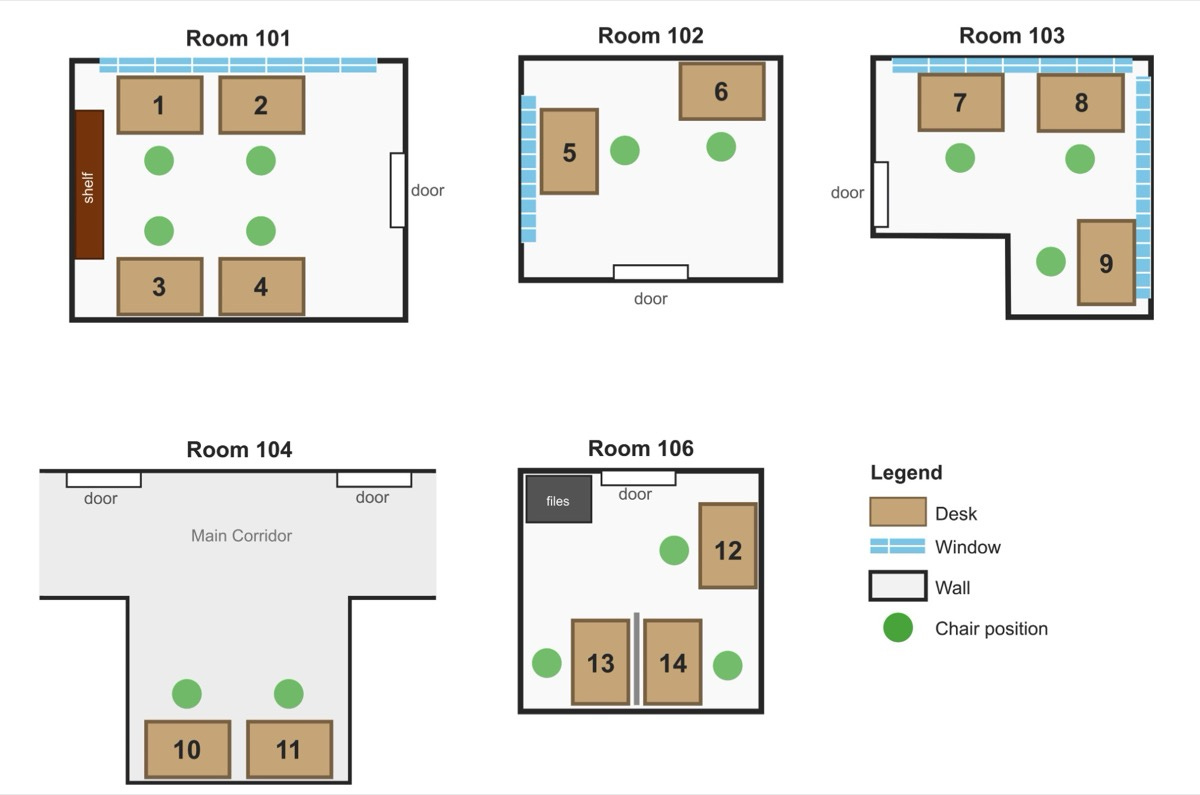
TinyLVT is a web app that applies a 19th-century economic idea to modern resource-sharing problems. The concept comes from Henry George, whose “single tax” philosophy argued that the value of land belongs to everyone, not just whoever happens to occupy it. TinyLVT shrinks this down to a practical scale: auction desks in a shared workspace, rooms in a co-living house, or stalls in a market, then distributes the auction proceeds equally to everyone in the community.
The site walks through a scenario in which grad students compete for desks in an economics department. Fourteen desks across five locations are auctioned quarterly. Students bid what they’re actually willing to pay, desks go to whoever values them most, and those who don’t win still get an equal share of the auction revenue. The student who really wants the window-facing desk can have it — but they compensate everyone else for taking it.
It’s a clever solution to a problem anyone who’s shared space knows well: resources either get captured by whoever showed up first, or they’re assigned by lottery to people who don’t really want them. A desk sits empty because its “owner” works from coffee shops, while someone who’d actually use it goes without. The auction ensures desks go to people who’ll use them, and the redistribution ensures everyone benefits from the space’s value.
The platform handles the complexity — proxy bidding, climbing prices, and automatic redistribution. You just set your values and let it run. It’s Georgism as a service.
Sounds like the hotel software that forces me to move rooms in the middle of my stay because some douche became willing to pay more for my view that I didn’t really care about. Not a fan.
But then again I didn’t get a share of the douche tax, and that is the real beauty of the LVT system: removing some incentives to squat on unused but useful capital.
This new economic model of trying to approach 100% utilization/rental of all physical resources has a lot of context switching overhead that isn’t being acknowledged. It is finally starting to show up in airbnbs where the rising cleaning fees are turning people back to hotels for short stays. It is just the native system inefficiencies finally getting priced in, after being subsidized by naive market participants for too long.
I recently lost my phone in a Waymo and had to spend an hour waiting for it inside their secure depot, where they clean the Waymo’s between rides. Saw the sausage being made. The work environment reminded me of a car wash or sweat shop. Lots of undervalued, exploited immigrants working hard and fast, assembly line style, to make sure the expensive machine is fully fed and utilized.
The poor supervisor was stretched so thin that it took an hour and several reminders before they got around to unlocking the cabinet with my phone in it. It was clear that Waymo had designed a better system, where a QR code in my phone was supposed to grant the underutilized security guard access so I could retrieve my phone. But they weren’t using that efficient system, presumably because they weren’t valuing, paying, training, or overseeing the security guards well enough to make it rational for them to not steal the dozens of phones in that cabinet.
Vibes of Theranos touting their shiny box that solves all the problems while human mechanical turks toil in windowless basements doing what everyone thought was automated.
Does it handle inequality of wealth coming in? If that person who works from the coffee shop gets paid more, they can still outbid everyone else for that nice space they use once a month. The losers get some compensation, of course. (It would be interested to see how "markets" like this develop, since someone who doesn't want the thing at all could always put in a negligible bid and then end up with real money they can use for things they do want. Race to the bottom?)