

Six years of obsessive forensics challenges some of the Titanic disaster’s favorite myths
If Maltin is right, the Titanic wasn’t just outmatched by an iceberg, but by one of nature’s nastier visual hacks: an atmospheric mirage that turned reality into unreliable software.
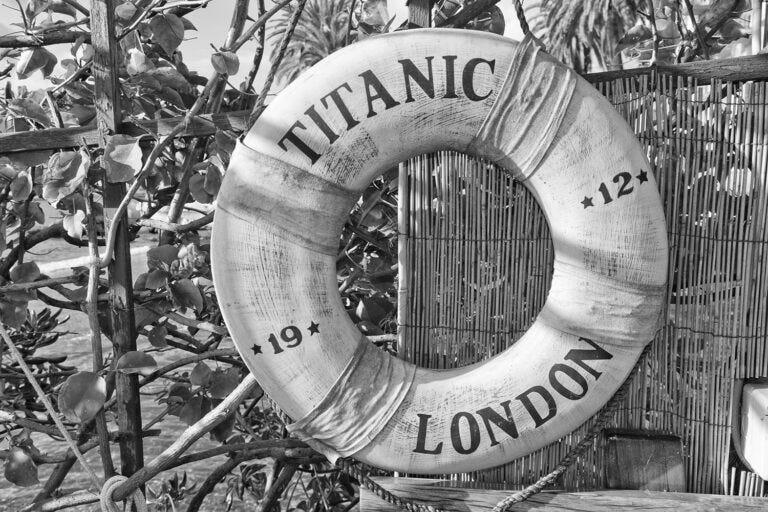
For more than a century, the Titanic has generated the kind of mythmaking normally reserved for Elvis sightings and alien autopsies, but historian Tim Maltin has spent years doing the profoundly unglamorous work of reading testimony, ship logs, and survivor accounts to argue that physics, not just hubris, helped script the disaster.
Maltin claims super refraction, and a layer of low marine haze, created a situation where icebergs were harder to see, even tho the night was supposedly legendarily clear. Similar optical illusions may have convinced the Californian that the Titanic was not the ship they were looking at, as it appeared smaller and closer than they had assumed. “Textbook conditions for thermal inversion” may have been the factor that caused both the collision and the slow response. Maltin has also determined that the Titanic failed to ask for help for nearly 45 minutes after the collision.
If Maltin is right, the Titanic wasn’t just outmatched by an iceberg, but by one of nature’s nastier visual hacks: an atmospheric mirage that turned reality unreliable.
As the survivors all testified, not only was the night clear; it was also moonless and so calm there were no waves breaking against the base of the iceberg. Even when it was close, there was almost no light to reflect from the ice.