

Scientists move fast as H5N1 reaches Northern California elephant seals
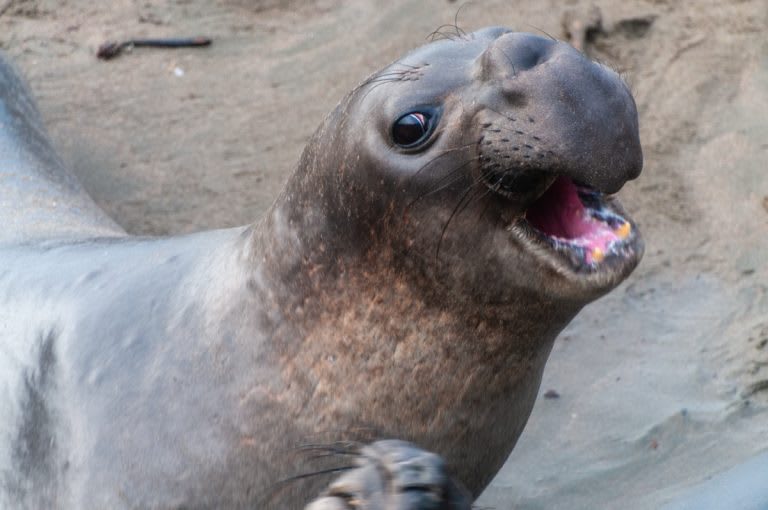
Seven northern elephant seal pups at Año Nuevo State Park have tested positive for highly pathogenic avian influenza (H5N1), marking the first confirmed cases in marine mammals in California and the first detection in this species.
These early cases were quickly identified by UC Santa Cruz and UC Davis researchers who had already been vigilantly watching, anticipating the virus’s steady march across species. Similar outbreaks devastated southern elephant seals in Argentina in 2023. This time, scientists were watching.
Seven weaned elephant seal pups in California’s Año Nuevo State Park tested positive for highly pathogenic avian influenza (HPAI) H5N1, the U.S. Department of Agriculture’s National Veterinary Services Laboratory confirmed Tuesday evening.
The outbreak marks the first cases of HPAI H5N1 in marine mammals in California and the first detection in northern elephant seals. The disease decimated populations of a related species, southern elephant seals, in Argentina in 2023.
“This is exceptionally rapid detection of an outbreak in free-ranging marine mammals,” said Professor Christine Johnson, director of the Institute for Pandemic Insights at the UC Davis’ Weill School of Veterinary Medicine. “We have most likely identified the very first cases here because of coordinated teams that have been on high alert with active surveillance for this disease for some time.”
Officials say the risk to the public remains low, and most of the colony appears healthy. As H5N1 continues to jump to new hosts, early detection, not surprise, may be the only advantage we get.
So, did they isolate those seals? Do anything to contain the outbreak? If they are pretty sure these are the first ones, they might be able to take action.