

Kevin Kelly: AI will be a microscope we point at our own minds
The Wired co-founder's new essay argues this second revolution will inspect human cognition, the way the microscope revealed cells.
My incurable optimist friend, Kevin Kelly, co-founder of Wired and my partner at Cool Tools and the Recomendo newsletter, has been posting essays on Substack mainly about the future, artificial intelligence, and what it means for humanity. I am loving these essays. They remind me of chapters in his books, Out of Control, The Inevitable, and What Technology Wants.
His latest essay is titled "Without a theory of intelligence," and he says that artificial intelligence is going to usher in two kinds of revolutions. One is that AI will let us accomplish, in his words, "things we had never imagined doing before." He also said, "That new superpower will gradually revamp our society as we learn how best to employ it."
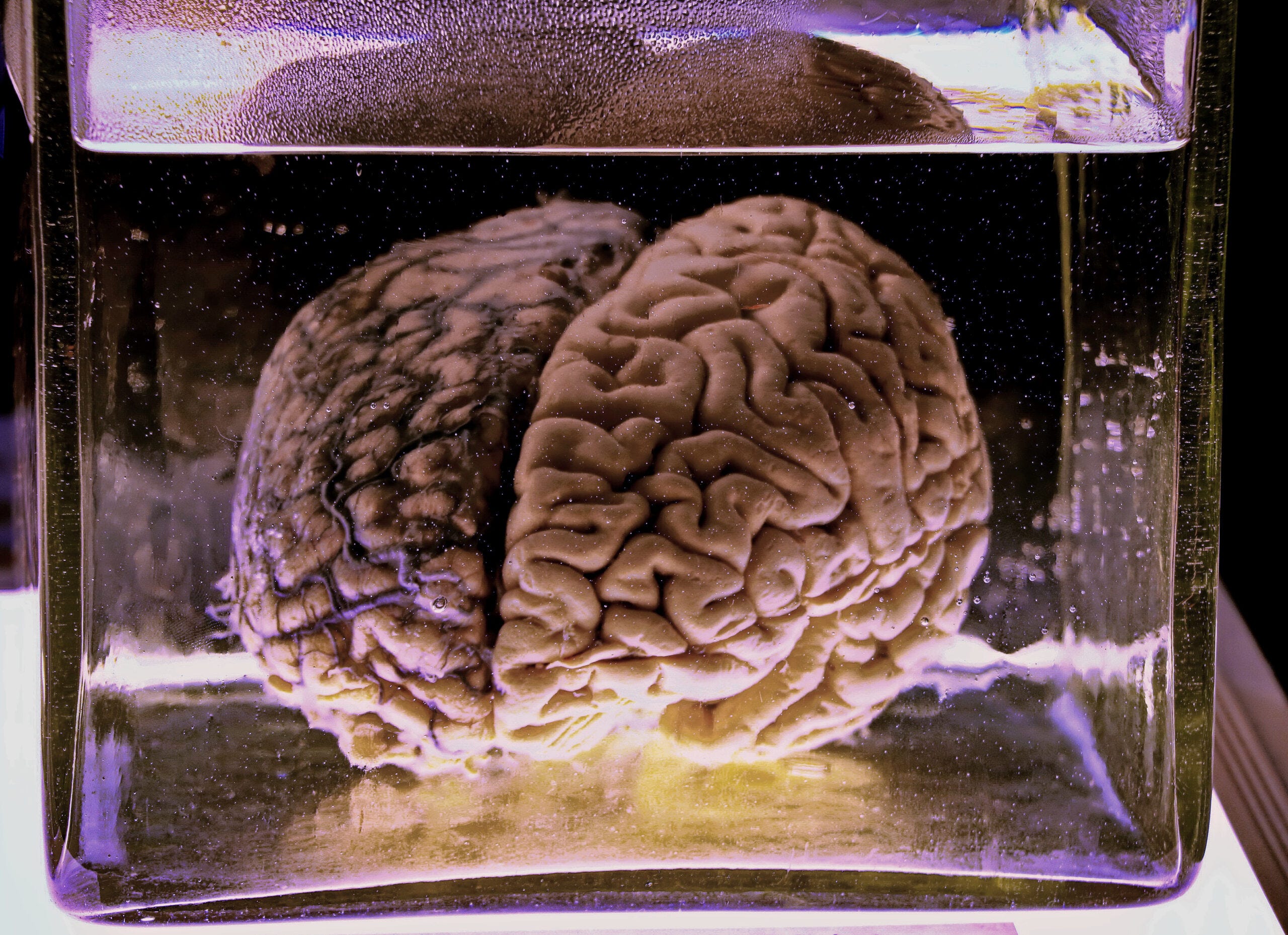
But Kevin is more interested in what he says is a second revolution that will "come from using AI as a microscope: we will use it to see our own minds." He believes that AI will help us see parts of our cognitive processes that are invisible to us now, kind of like a microscope that can see bacteria. "Centuries ago the microscope gave us germ theory and cell theory," he writes. "The telescope gave us gravity and relativity. The new scope of AI will give us a theory of intelligence."
Kevin's newsletter is free, and I recommend subscribing.
How I use AI. Pangram: rough draft, final draft.
Good for you for promoting your friends endeavors! (But currently what passes as "A.I." is none of those things. It's a probability determined (hence) Markov chain built on a very large, mostly stolen, mass of data, that's all)
AI is a faulty tool. If you point it at your own mind you will get faulty results.