

Herbicide “safety” paper ghostwritten by Monsanto gets bounced 25 years too late
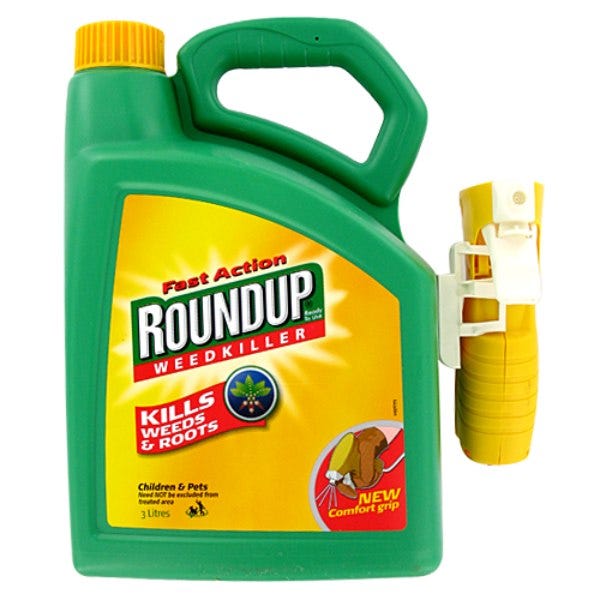
That rock‑solid study that regulators leaned on for decades to claim glyphosate was harmless? It’s gone. The journal formally retracted the 2000 paper after admitting it was ghostwritten by the chemical’s maker, leaving a crater where public trust once stood.
Last week, the journal Regulatory Toxicology and Pharmacology retracted a paper published in 2000 that concluded the herbicide glyphosate, the main ingredient in Roundup, is safe for humans.
“It was like a bomb dropped,” said Beatrice Olivastri, CEO of Friends of the Earth Canada.
“It’s really a foundational paper against which a lot of regulatory agencies made decisions about whether or not glyphosate was safe.”
The retraction notice cited documents made public through litigation in the U.S. that suggest employees of Monsanto, which makes Roundup, may have helped write the article without proper acknowledgment — a practice known as ghostwriting.
The documents also suggest Monsanto may have paid the study’s authors.
For 25 years, the paper backed by Monsanto cleared the runways for the global use of the toxic chemical, Roundup. Regulators from Canada to the U.S. used it to green‑light glyphosate. Now, after internal emails exposed corporate manipulation, the journal yanked it. Environmental watchdogs are scrambling. Farmers might keep spraying, but the veneer of “scientific safety” just evaporated in a puff of foul green smoke.
Is anybody actually surprised by this revelation?