

Everest’s most famous body finally has a name
The cruelest thing about the nickname is how well it worked.
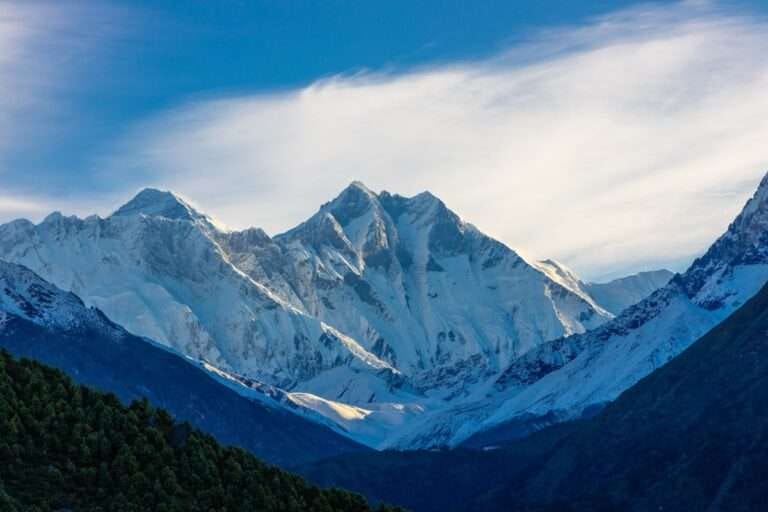
For nearly 30 years, climbers on Everest’s north side have passed a dead man and called him “Green Boots,” turning a person into a landmark because the mountain is too high, too cold, and too cruel for ordinary grief.
The climber long known as “Green Boots” has often been identified in popular accounts as Tsewang Paljor, one of three Indian climbers who died in a 1996 storm on Everest’s north side. New Indian government documents, DNA testing, and reporting now identify the remains as Dorje Morup, another member of the same Indo-Tibetan Border Police expedition. India’s ITBP has floated a tender for a specialist high-altitude recovery team to retrieve the body from about 8,500 meters, in the death zone where helicopters cannot simply land and where moving a frozen body can become a lethal expedition of its own.
The name “Green Boots” always felt like one of Everest’s worst little bargains: useful, memorable, obscene. A man dies in a storm, the mountain refuses to give him back, and three decades of climbers turn his footwear into directions. This is the Everest paradigm stripping everything down to oxygen, steps, weather, risk, and whatever human dignity can survive at 27,700 feet.
Everest filmmaker/historian Thom Pollard’s take on not removing the body is interesting.
There is little to be gained by risking the lives of the people who would be the ones trying to recover the body. Put up a nice memorial, ask climbers passing by to add more snow and bury him more completely maybe, and leave it at that.
Remember-every corpse on the mountain was once a highly driven person.