

California makes AI companies leave fingerprints on their slop
Services with over 1 million monthly users must embed provenance data now, though platforms need not display it until 2027.
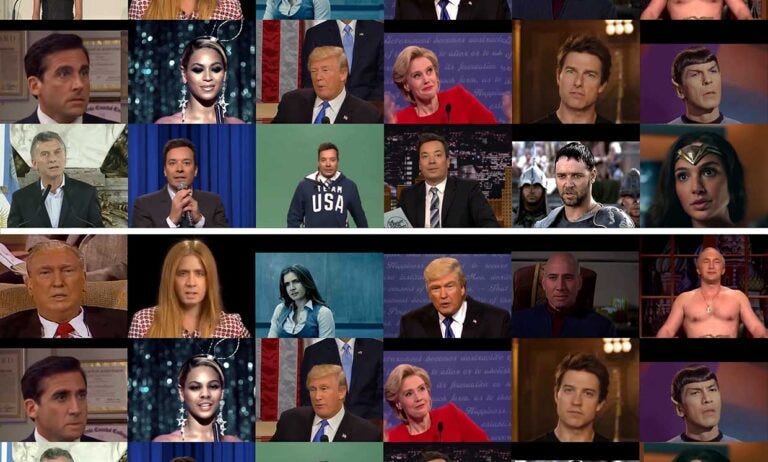
A new law in California requires AI generators to sign their work. The first phase of its transparency law requires difficult-to-remove provenance data to be embedded in the slop.
California has begun requiring generative AI services with more than 1 million monthly users to embed machine-readable provenance data in images, audio, and video they create. They will also be required to provide a free tool that checks whether a file originated from their systems and to begin offering users the option to add a public disclosure.
The law, authored by Becker, comes at a time where concerns about deepfakes are omnipresent. The author said previously in a bill analysis that the rapid development of artificial intelligence has made it "cheaper" and "easier" to make fake content and that it has also made it even more difficult to distinguish what is real, therefore earning the name "deepfakes."
Becker said that one of the most concerning elements of deepfakes is the increasing fabrication of pornography and political messaging. He said the need for transparency is "paramount."
"It is crucial for industry leaders to take responsibility for clearly labeling AI-generated content and developing tools that can accurately identify such content, especially when there is no visible disclosure," Becker said.
The labels, however, arrive long before the label readers. Large social and file-sharing platforms do not have to make provenance data easy for users to inspect until January 2027. Beginning in 2028, new phones, cameras, and recorders sold in California must offer provenance information and embed it by default.
Now Californians can tell if that 7-fingered person in the pron you are watching is deepfaked.