

Before refrigeration, one obsessive Boston guy sold winter to the tropics
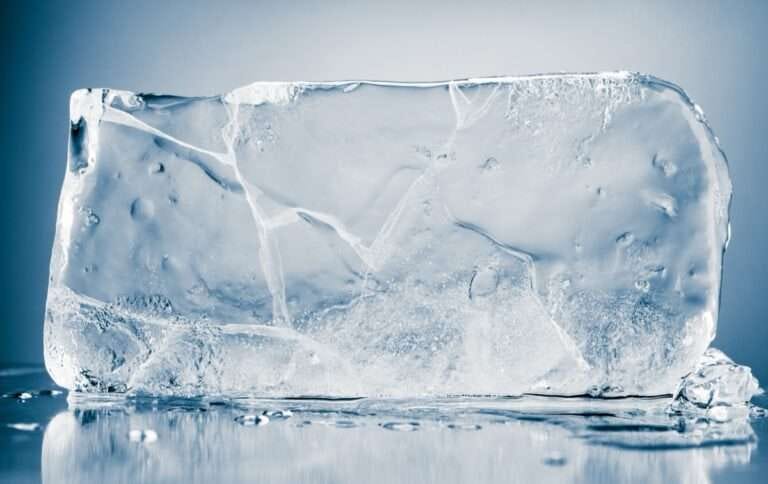
Before refrigeration, keeping things cold meant waiting for winter, cutting up a frozen lake, packing it in sawdust, and hoping a lot of it survived the boat ride.
Veritasium has a great video on Frederic Tudor, the Boston merchant who helped create the commercial ice trade in the early 1800s. Tudor’s big idea was simple and deranged: take ice from frozen New England ponds and ship it to places where ice did not naturally exist. At first, people thought he was nuts. Then they got used to cold drinks.
Tudor and his competitors turned winter into cargo. Workers cut huge blocks from lakes and ponds, stored them in insulated ice houses, packed them with sawdust, and loaded them onto ships bound for the Caribbean, the American South, Europe, and India. Enough ice melted along the way to make the whole business look foolish, but enough survived to make it profitable.
The business was great, but eventually artificial ice beat out lake ice. Once we figured bacteria out, folks really didn’t want to play roulette with their drinks.
The refrigerator killed the ice king, but not before he taught the world to want cold.
And a great boon to a steady, safe food supply was created. Refrigeration was one of the most important advances on the last 150 years.
And even after refrigeration was invented, for a long time there were iceboxes in homes because early freezing tech was mostly available on really large scales. So someone else would freeze the ice and bring the blocks to you. (Hence the title.)
Also, many early installations used butane or ammonia as the refrigerant, so better in industrial neighborhoods.