

Autonomous future arrives, looks a lot like public transit without the “public” part
In the end, Silicon Valley isn't "disrupting" transit so much as privatizing it
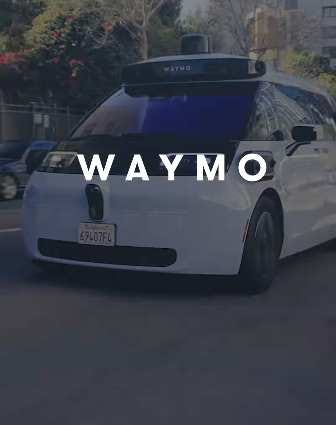
After years of breathless promises about a frictionless, individualized future, the autonomous revolution has arrived in the form of a sliding-door people mover that looks suspiciously like a bus minus the pesky “public.”
The Mountain View-based robotaxi company is in the process of incorporating the cars, manufactured for it by Chinese automobile maker Zeekr, into its fleet. Dubbed Ojai (pronounced “OH-hi,” like the city in Southern California), the new vehicles look like small minivans or SUVs. They are distinguished by their horizontally sliding front and rear doors, their smaller sensor arrays and their cornflower-blue paint.
…
The Ojai includes Waymo’s sixth-generation autonomous-vehicle technology, which the company calls the Waymo Driver. The new version includes a streamlined sensor array. The updated array has 13 cameras and four lidar sensors, compared with 29 cameras and five lidar sensors in the previous version, according to Bonelli.
Despite the reduction in sensors, Waymo believes the array will be just as capable as the prior version, he said.
In the end, Silicon Valley isn’t “disrupting” transit so much as privatizing it, stripping out the accountability, and charging you surge pricing for the privilege of riding a bus they refuse to call a bus.
"In the end, Silicon Valley isn't "disrupting" transit so much as privatizing it, stripping out the accountability, and charging you surge pricing for the privilege of riding a bus they refuse to call a bus."
Yep.