
Antarctica’s oldest iceberg is turning blue and about to disintegrate
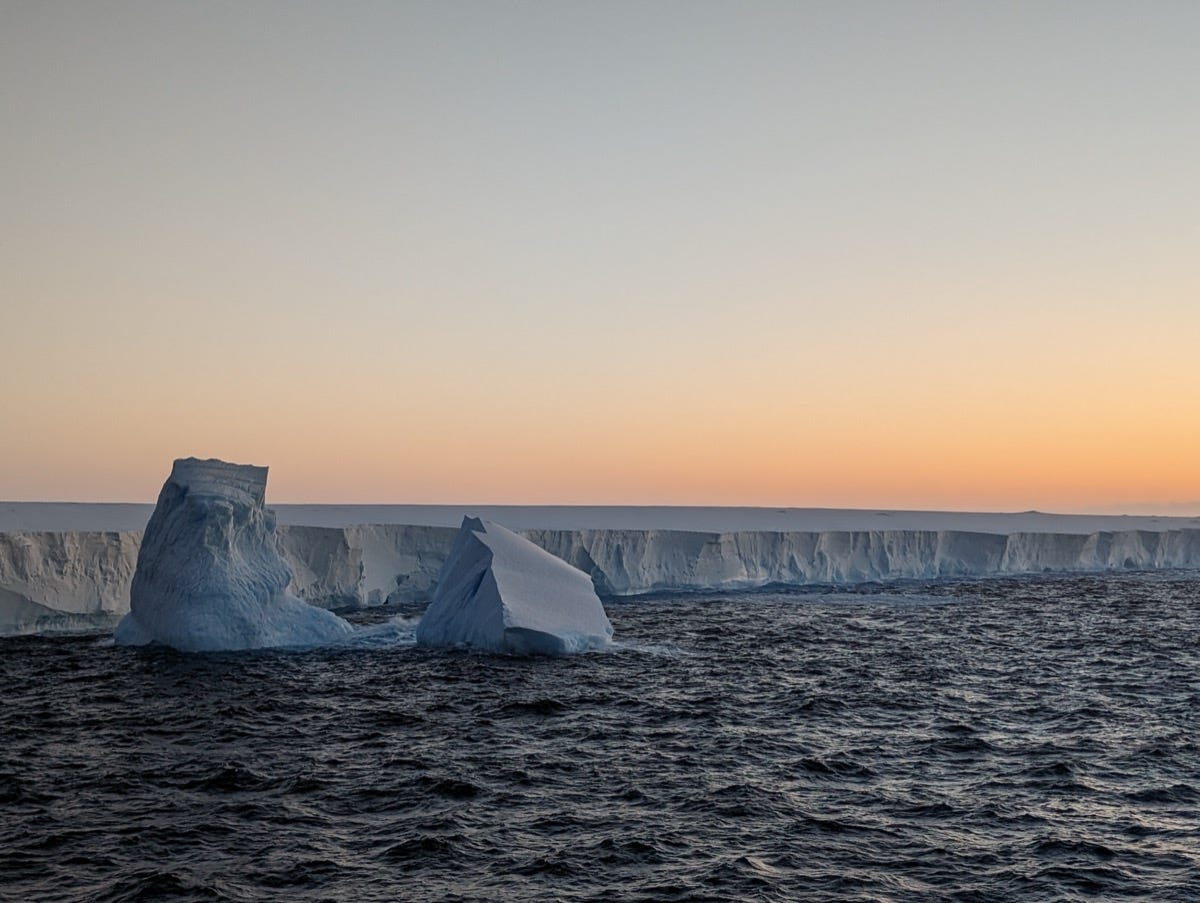
Iceberg A-23A has been around since 1986, when it broke off from Antarctica at nearly twice the size of Rhode Island. It spent more than 30 years grounded in the shallow waters of the Weddell Sea before breaking free in 2020, then got stuck spinning in an ocean vortex for several months. Now, according to NASA, it’s finally dying — and it’s putting on a show.
Satellite images captured the day after Christmas show the iceberg has turned blue, with pools of meltwater forming on its surface. Ted Scambos, a senior research scientist at the University of Colorado Boulder, explained that the “blue-mush” areas result from water pooling in cracks and forcing them open. NASA says the berg has also “sprung a leak” — the weight of the water on top has punched through the ice.
When A-23A first calved, it measured about 4,000 square kilometers. By early January 2026, it had shrunk to 1,182 square kilometers after shedding chunks throughout the second half of 2025. Scientists expect it to be gone within days or weeks. “I certainly don’t expect A-23A to last through the austral summer,” said one researcher, noting that the berg is now in 3-degree Celsius water and heading toward even warmer currents in what ice experts call an iceberg “graveyard.”


It blocked access to McMurdo Station for several years, making resupply and retcon of trash a logistical problem. Sorry to see it go, but all icebergs eventually melt.