

American Tiger finds wonder where suburbia insists there is none
There probably isn’t a tiger behind the Target, but that’s not the point.
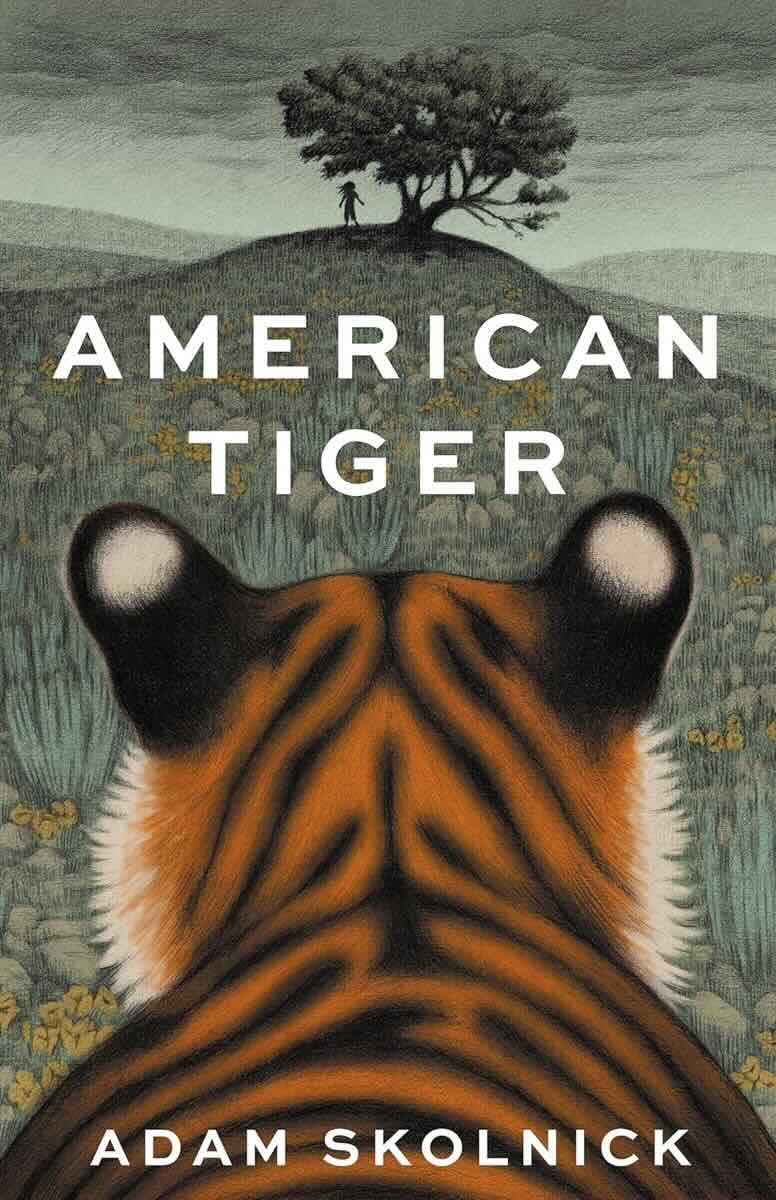
American Tiger marks Adam Skolnick’s first work of fiction, and it carries with it the same observational patience and respect for lived experience that defined his earlier nonfiction. Readers familiar with Skolnick’s reporting, particularly his book One Breath, which Boing Boing previously reviewed as a harrowing and deeply human account of risk, obsession, and loss, will recognize a similar sensibility at work here, even as the form changes.
This time, Skolnick turns to fiction, but he doesn’t abandon reality. Based on a true story Skolnick reported years ago, the novel begins with a child’s claim that she’s seen a tiger loose in a Southern California suburb, an assertion that immediately collides with adult certainty, institutional skepticism, and the quiet grief running through a tragically fractured family. Rather than treating the premise as spectacle, the book uses it as a pressure point, revealing how people respond when the world refuses to behave rationally.
Skolnick’s background in nonfiction shows in the way the setting is handled. The landscape feels specific and inhabited, shaped by development and denial as much as by nature itself. There’s no romantic escape into wilderness, only the uneasy truth that wildness persists alongside human order, whether it’s acknowledged or not. The novel understands that tension but never overstates it.
What’s striking about American Tiger is its restraint. The book doesn’t chase thrills or big symbolic moments. It trusts accumulation over escalation, letting the emotional weight build through observation, silence, and missed understanding. The tiger remains important, but not in the way a plot device usually is. It matters because of what it forces people to confront, not because it needs to be explained away or captured.
For readers who know Skolnick’s nonfiction, this debut will feel less like a departure than an expansion. The same interest in human limits, belief, and the cost of denying reality runs through both bodies of work. Where One Breath examined risk and consequence through reportage, American Tiger approaches similar questions through story, imagination, and the inner lives of its characters.
This is a confident fiction debut that doesn’t overreach or announce itself as important. It simply pays attention and asks the reader to do the same. American Tiger demonstrates that Skolnick’s strengths as a writer translate well across genres, and it makes a strong case that his move into fiction is not a detour, but an expansion.
American Tiger by Adam Skolnick via Amazon