

A preventable outbreak: measles spreads where vaccines didn’t
Measles is ripping through South Carolina, with nearly 100 new cases reported in days.
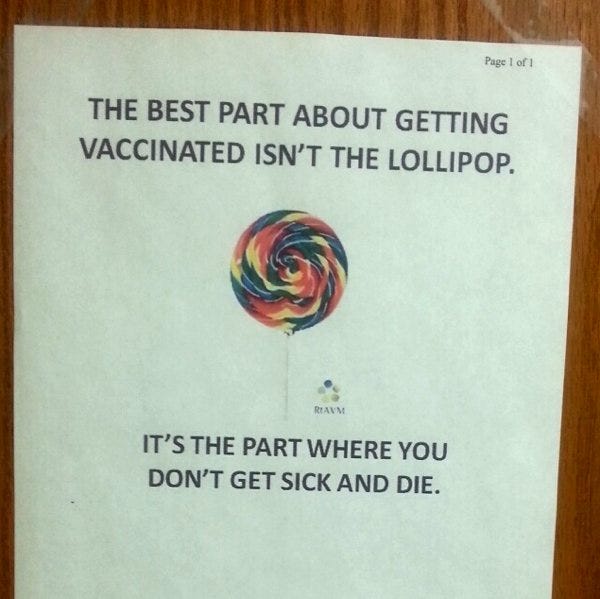
Measles is ripping through South Carolina, with nearly 100 new cases reported in days. An entirely predictable outcome in a country where anti-vaccine rhetoric has been normalized, laundered, and elevated by figures like Robert F. Kennedy Jr.
The South Carolina outbreak isn’t a medical mystery. Measles was effectively controlled for decades through routine childhood vaccination, one of public health’s most durable successes. What changed wasn’t the virus. What changed was the political climate: one in which Kennedy and his allies spent years sowing doubt about vaccines, reframing settled science as controversy, and encouraging “personal choice” narratives that collapse the moment herd immunity does.
In a regularly scheduled update this afternoon, the health department said 99 cases were identified since Tuesday, bringing the outbreak total to 310 cases. There are currently 200 people in quarantine and nine in isolation. However, the outbreak is expanding so quickly and with so many exposure sites that health officials are struggling to trace cases and identify people at risk.
“An increasing number of public exposure sites are being identified with likely hundreds more people exposed who are not aware they should be in quarantine if they are not immune to measles,” Dr. Linda Bell, state epidemiologist and the health department’s incident commander for the measles outbreak, said in the announcement. “Previous measles transmission studies have shown that one measles case can result in up to 20 new infections among unvaccinated contacts.”
The outbreak is centered in the northwestern corner of the state, with cases concentrated in Spartanburg County. According to state data, in the 2024–2025 school year, only 90 percent of students in the county were fully vaccinated. That’s well below the target of 95 percent vaccination coverage that prevents vaccine-preventable infections from spreading. However, the county-wide vaccination rate likely obscures pockets where vaccination rates are even lower, making the virus more likely to spread.
Kennedy insists he is merely “asking questions,” but those questions have consequences. In communities where vaccination rates dip, measles spreads with ruthless efficiency, infecting children too young to be vaccinated and people with compromised immune systems. South Carolina’s surge is not an anomaly; it is the bill coming due for a movement that treated public health as a culture-war prop. Viruses do not debate. They exploit openings, and they kill.
As laws in states like Idaho and Florida loosen restrictions in the name of “personal choice,” we will see more instances of personal irresponsibility. America’s social contract has expired.
We all know the drill...
I'm shocked!
SHOCKED!
Well, not that shocked.
Make Measles Great Again!